
Germana Bancone: Red blood cells disorders in low-resource settings
Germana investigates red blood cell disorders and anaemia in low-resource settings, focusing on diagnostics, causes and treatment strategies. Projects include evaluating portable G6PD tests and studying iron supplementation’s impact on vaccine response in pregnant women. The goal is to improve targeted treatments and diagnostics for anaemia in vulnerable populations.
My name is Germana Bancone. I'm a research scientist based in Thailand at the border with Myanmar. I'm the Head of the Haematology Laboratory of the Shoklo Malaria Research Unit (SMRU). Our research focuses on blood, specifically on red cells, especially when they don't work very well. That's what we call red cell disorders and more broadly anaemia.
Globally around 30% of people in the world have these conditions or anaemia. But in low resource settings like the Thai/Myanmar border for example, this goes up to 50% or more. The origin of this disorder can be different. It can be genetic, for example G6PD deficiency which makes red cell more fragile when we give certain drugs, and thalassemia which is a problem with the haemoglobin. Or they can be acquired, like iron deficiency which can be caused for example by poor diet. The major difference between these two is that only the acquired one can be treated. So, the work in the lab is about diagnostics and understanding the clinical impact of these red cell disorders.
I can give you a couple of examples of recent projects. The first one is the evaluation of new portable diagnostic tests for G6PD deficiency that we have been using in remote settings and our field clinics to treat malaria. And the other one is a project where we are studying how the iron treatment impacts on the immune response to vaccines in pregnant women with anaemia, and this sort of study will help us understand whether in future we might need to give iron every time we give a vaccine to improve its efficacy, but we also hope that it will tell us more about the interaction between the immune system and different types of anaemia.
Iron is needed for the red cells to do their job, and it's needed to support the immune system. But unfortunately, we cannot just give iron to everyone because we know that this increases the risk of infections. So, one of the big questions in this field is how we can give more targeted treatment for iron deficiency in populations where infectious diseases and anaemias of different causes are common. So, we have a diagnostic challenge to distinguish between treatable and untreatable anaemias, but we also have a knowledge gap in the understanding between the interaction of these conditions.
The work we do in the laboratory gives new tools to the clinicians to make patients healthier. If we can understand better the causes of red cell disorders, we can develop new diagnostics, we can plan for better screening strategies and ultimately, we can give more appropriate treatment.
Many of us have experienced symptoms of anaemia at some point in our life: fatigue, brain fog, weaken immune system, and when this condition becomes chronic, it can damage the body, and the clinical and cognitive impacts can be throughout life. It can start as soon as the very first few days of life, in childhood, in adolescence, or adulthood. It becomes usually very evident during pregnancy (where is often diagnosed) and then again in the newborn. And this is a cycle that can be very hard to break. And while this problem is very common in the tropics now, with climate change and growing food insecurity, there'll be a lot more people at risk in the future. So, we need to be better at identifying people who need iron treatment, and we might need new markers for that. We need to be able to make a diagnosis in low resource settings and in the primary healthcare level, so we need to look into markers that can be tested with simple and cheap devices.
This interview was recorded in September 2025.
-
Germana Bancone
Haematology Research Scientist at SMRU
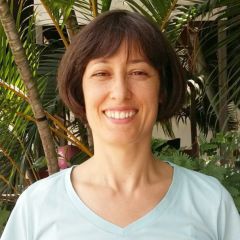
Germana Bancone
Dr Germana Bancone, Haematology Research Scientist at SMRU in Mae Sot, Thailand, part of the MORU Tropical Health Network, tells us about her research on red blood cells disorders in low-resource settings.
Translational Medicine
From bench to bedside
Ultimately, medical research must translate into improved treatments for patients. Our researchers collaborate to develop better health care, improved quality of life, and enhanced preventative measures for all patients. Our findings in the laboratory are translated into changes in clinical practice, from bench to bedside.