
Professor Richard Price

Contact information
Podcast interview
Curing Plasmodium vivax malaria

Vivax malaria used to be considered benign but is now recognised as an important cause of morbidity and mortality. Resistance to chloroquine (given to treat the parasite blood stage) is growing and ACT (artemisinin-based combination therapy) is becoming common treatment for vivax malaria. New drugs and better public health strategies can help elimination targets, anticipated for 2030.
Research groups
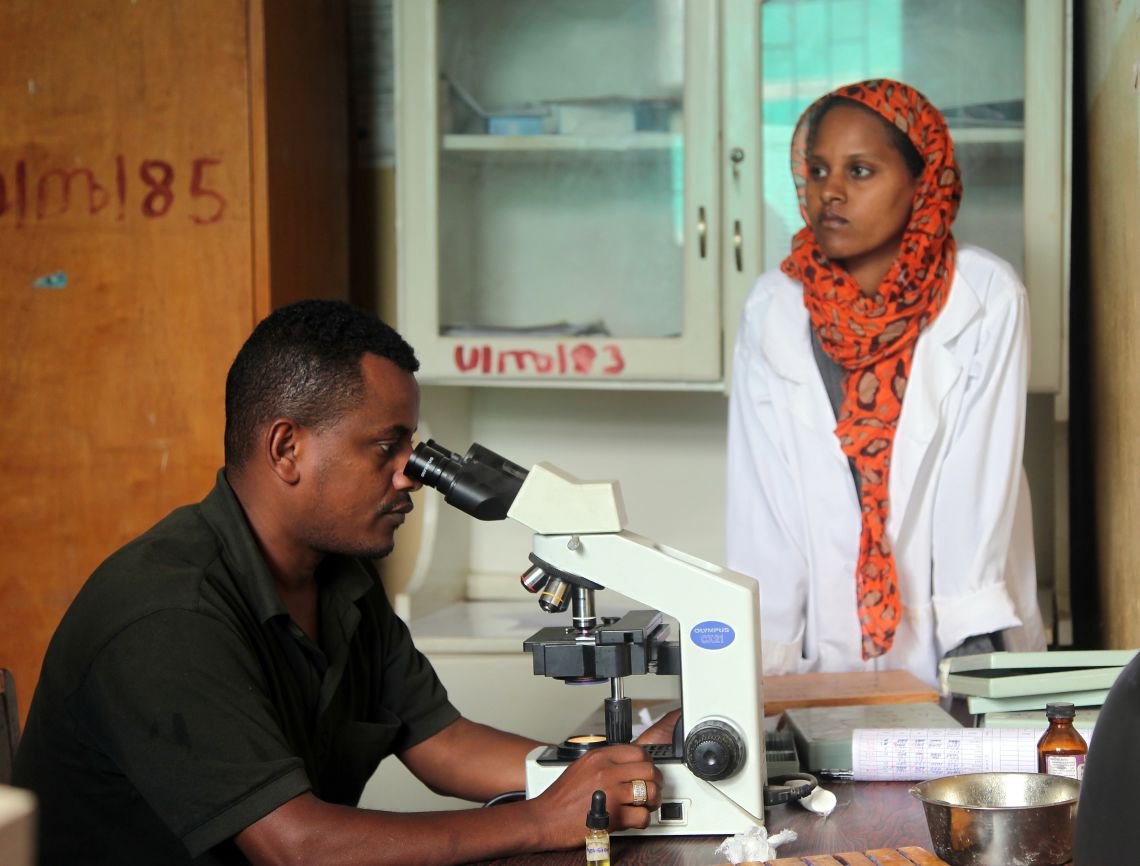
Ethiopian Clinic
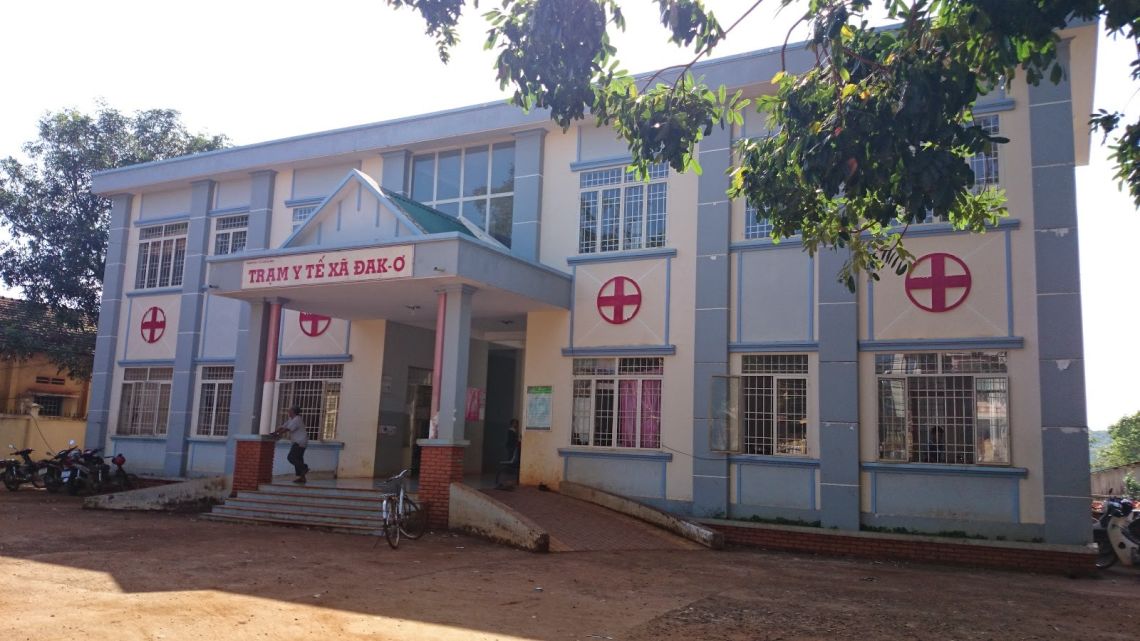
Vietnam Hospital
Richard Price
Professor of Tropical Medicine
Vivax malaria
The main focus of our translational research programme is to improve the diagnosis and management of vivax malaria. To achieve this we are working with in malaria endemic countries across the Asia-Pacific region and Horn of Africa to:
- optimise the safe and effective radical cure of vivax malaria,
- improve the molecular surveillance of drug resistant malaria
- define the morbidity and mortality of vivax malaria
- evaluate the impact and cost effectiveness of novel treatment and malaria control activities.
The programme is being conducted in collaboration with the Mahidol Oxford Research Unit (MORU) in Thailand and the Menzies School of Health Research (MSHR) in Darwin.
I am head of the clinical module of the World Wide Antimalarial Resistance Network (WWARN). Between 2010-2020 he established co-chair the Vivax Working Group of the Asia-Pacific Malaria Elimination Network (APMEN).
CURRENT PROJECTS:
- Clinical trials and implementation studies of different primaquine regimens
- Field testing novel G6PD diagnostics
- Mapping populations at risk of malaria and drug induced haemolysis
- Determining the molecular basis of chloroquine resistant P. vivax
- Individual patient data metanalyses of antimalarial efficacy studies
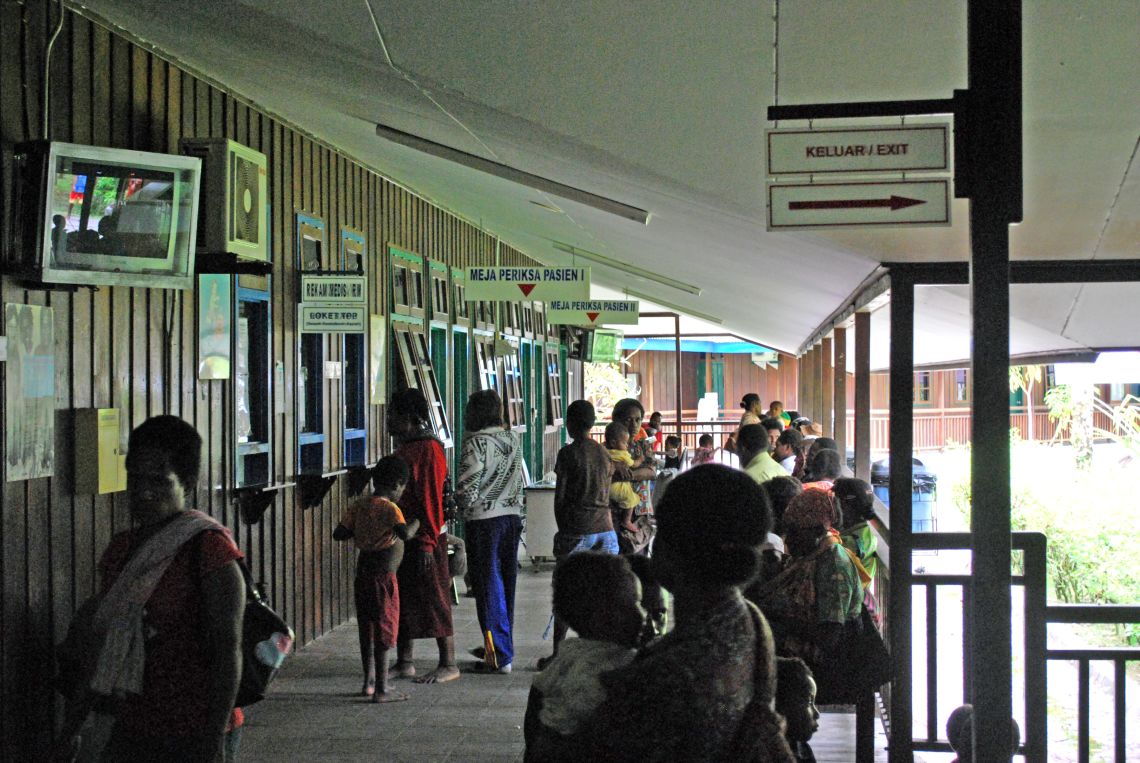
Timika, Papua, Indonesia

RSMM Hospital
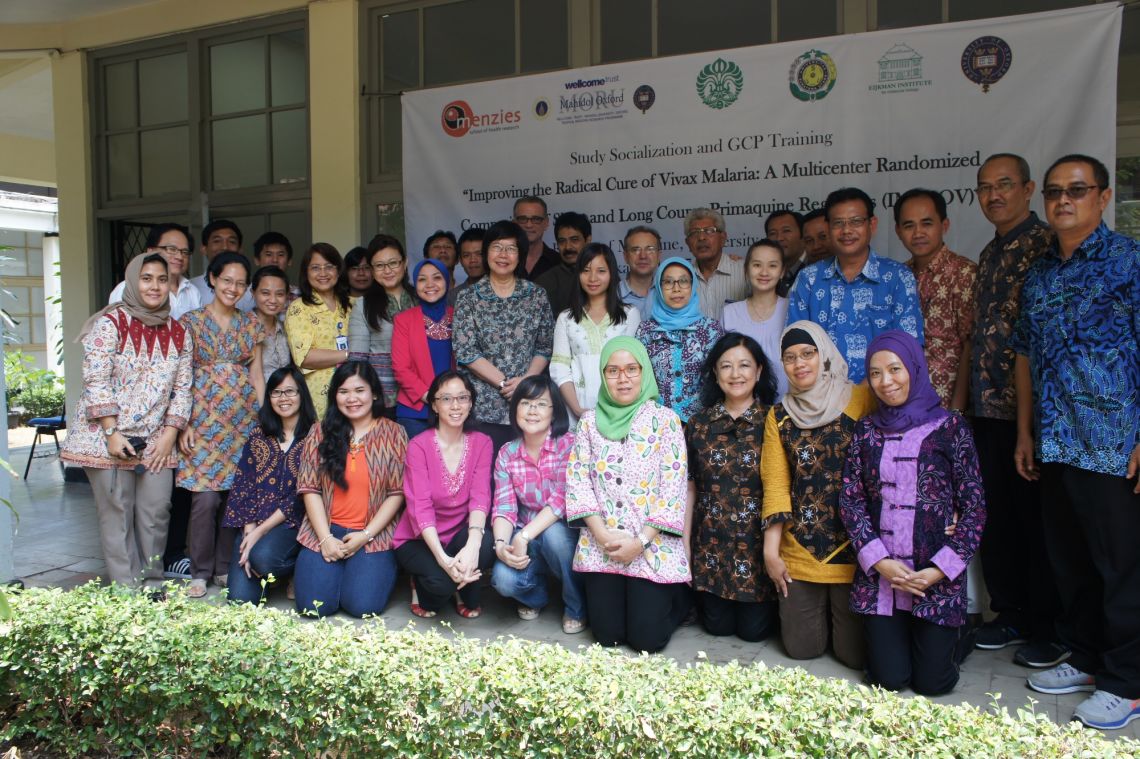
Sumatra Site for IMPROV Study
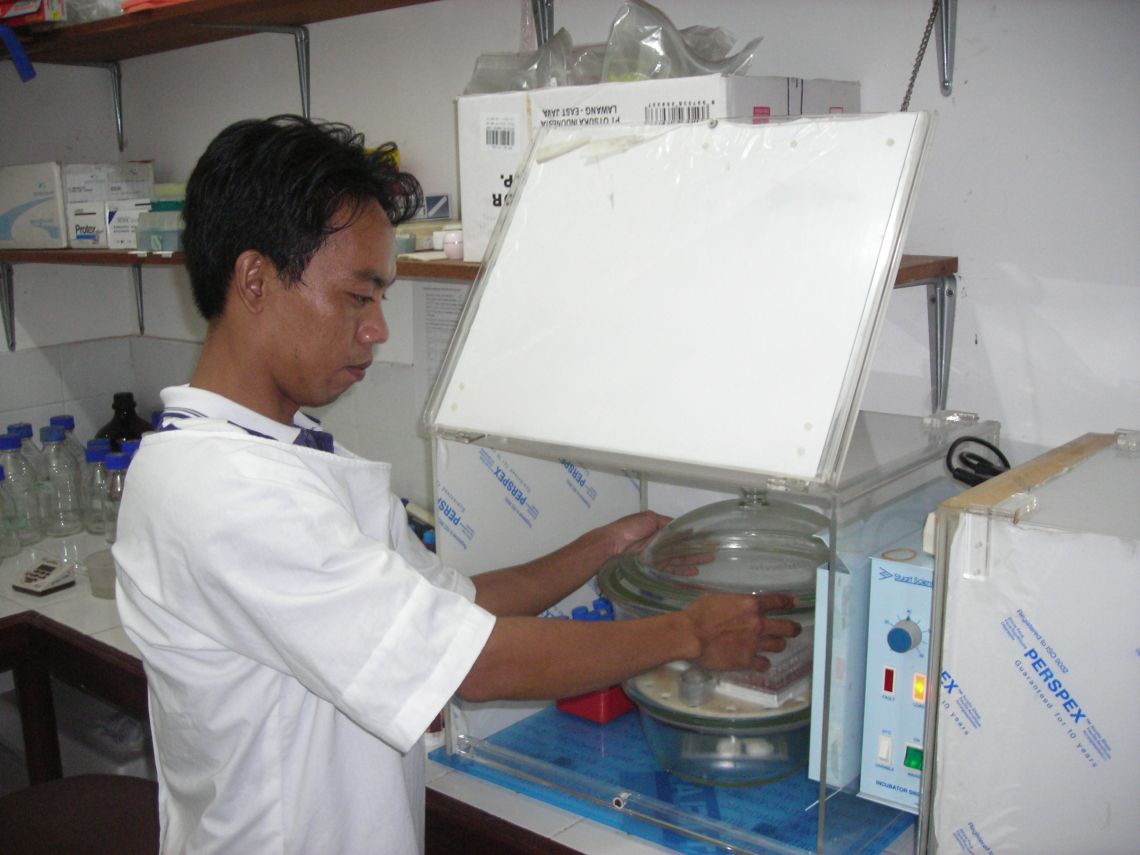
Ex vivo Lab
Recent publications
Effect of higher dose primaquine for the radical cure of Plasmodium vivax malaria in Indonesia: a systematic review and individual patient data meta-analysis
Journal article
Fadilah I. et al, (2026), The Lancet Regional Health - Western Pacific, 72, 101908 - 101908
Predicting Risk of Plasmodium Vivax Microscopy-Detected Episodes Using Serological Markers in Patients With Plasmodium falciparum Malaria: A Multicountry Diagnostic Performance Evaluation
Journal article
Hafidzah M. et al, (2026), The Journal of Infectious Diseases, 233, e1470 - e1479
Analysis of the effect of primaquine dose on efficacy, safety, and tolerability in patients with Plasmodium vivax malaria in Ethiopia: a systematic review and individual patient data meta-analysis
Journal article
Degaga TS. et al, (2026), Malaria Journal
Effectiveness and safety of 7-day high-dose primaquine and single-dose tafenoquine versus 14-day low-dose primaquine in patients with Plasmodium vivax malaria (EFFORT): a multicentre, open-label, randomised, controlled, superiority trial
Journal article
Degaga TS. et al, (2026), The Lancet Infectious Diseases, 26, 614 - 626
High-dose, short-course primaquine after point-of-care G6PD testing for the radical cure of Plasmodium vivax malaria: a safety study in Papua New Guinea and Indonesia
Journal article
Fransisca L. et al, (2026), The Lancet Regional Health - Western Pacific, 71, 101903 - 101903
Risk perceptions of high-dose primaquine and tafenoquine among Plasmodium vivax malaria stakeholders in Ethiopia: a qualitative study.
Journal article
Mwaura M. et al, (2026), BMJ global health, 11